
Lynxcraft - A platform to revolutionize homebuilding
LynxCraft is a next-generation homebuilding platform that makes residential design faster, more accessible, and easier to understand. We helped turn its patented algorithmic approach into a digital product where users can shape floor plans, explore 3D designs, and make informed decisions around cost, energy, and building configuration.
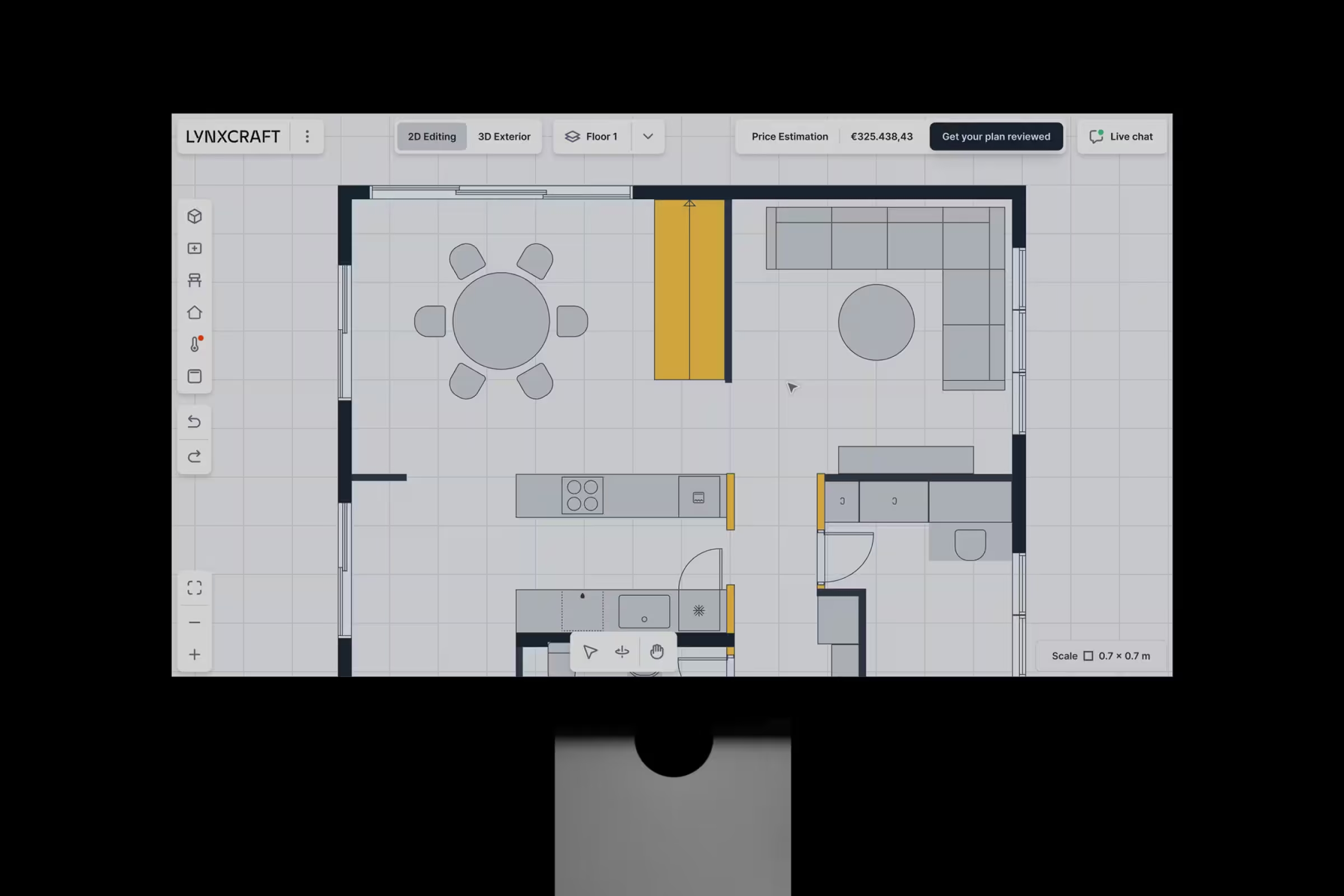
Making home design accessible without oversimplifying it
Traditional building design is slow, expensive, and heavily dependent on expert input at every stage. LynxCraft wanted to challenge that model with a platform that could make the process easier for both professionals and non-experts.
The challenge was to turn complex architectural and construction logic into an interface users could understand, while still supporting the level of detail needed to produce useful and realistic building configurations.
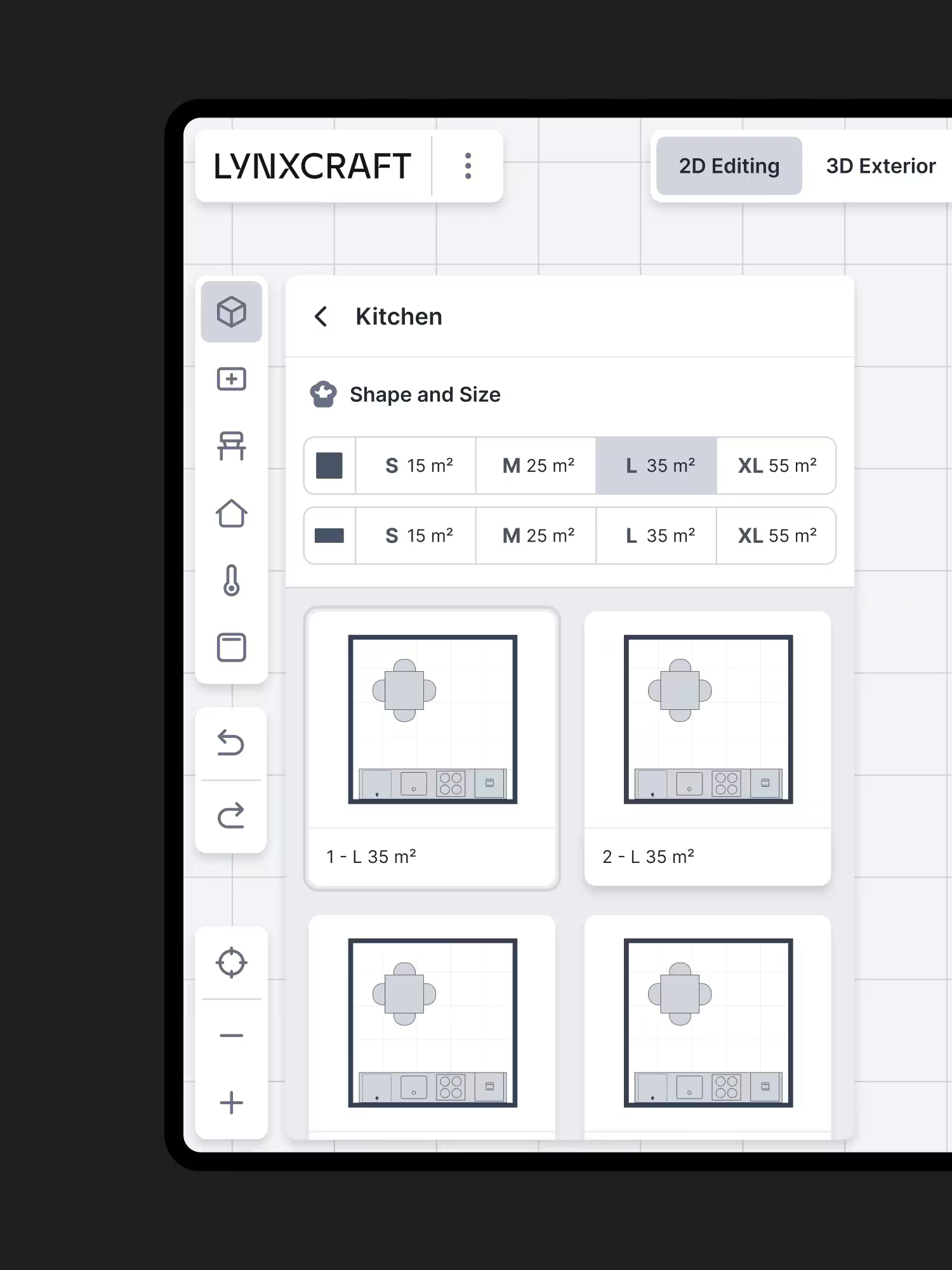
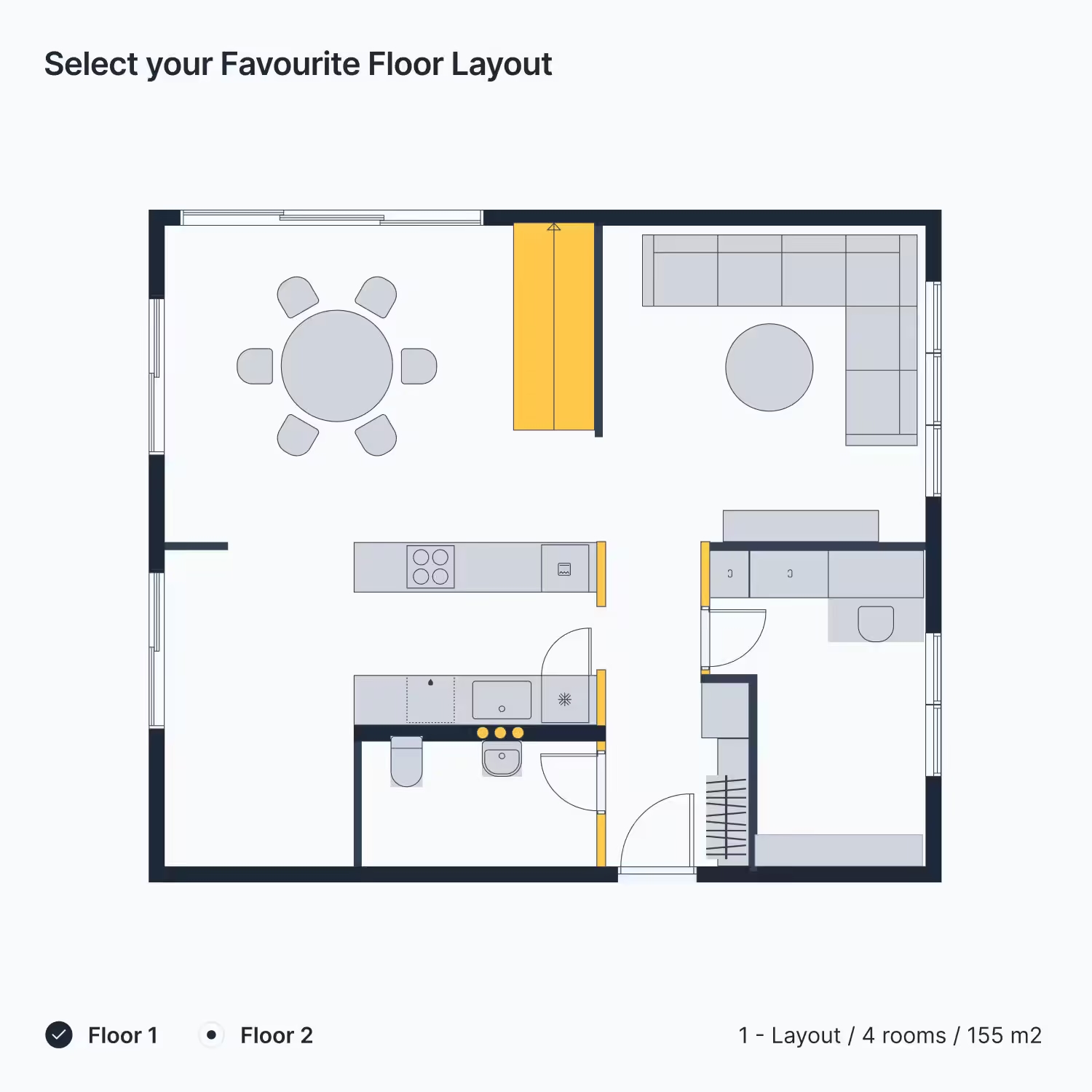
// Users can design custom house layouts using a digital 3D web builder. By selecting from a range of room sizes and shapes, they create personalized spaces that meet their specific needs and aesthetic preferences.
Turning complex building logic into an intuitive product
We started with discovery, UX/UI design, and prototyping to define how users could move from an idea to a structured home design without needing specialist software.
From there, we developed the platform iteratively around the most important workflows: floor-plan configuration, 2D and 3D visualization, building options, cost and sustainability information, and the supporting product infrastructure.
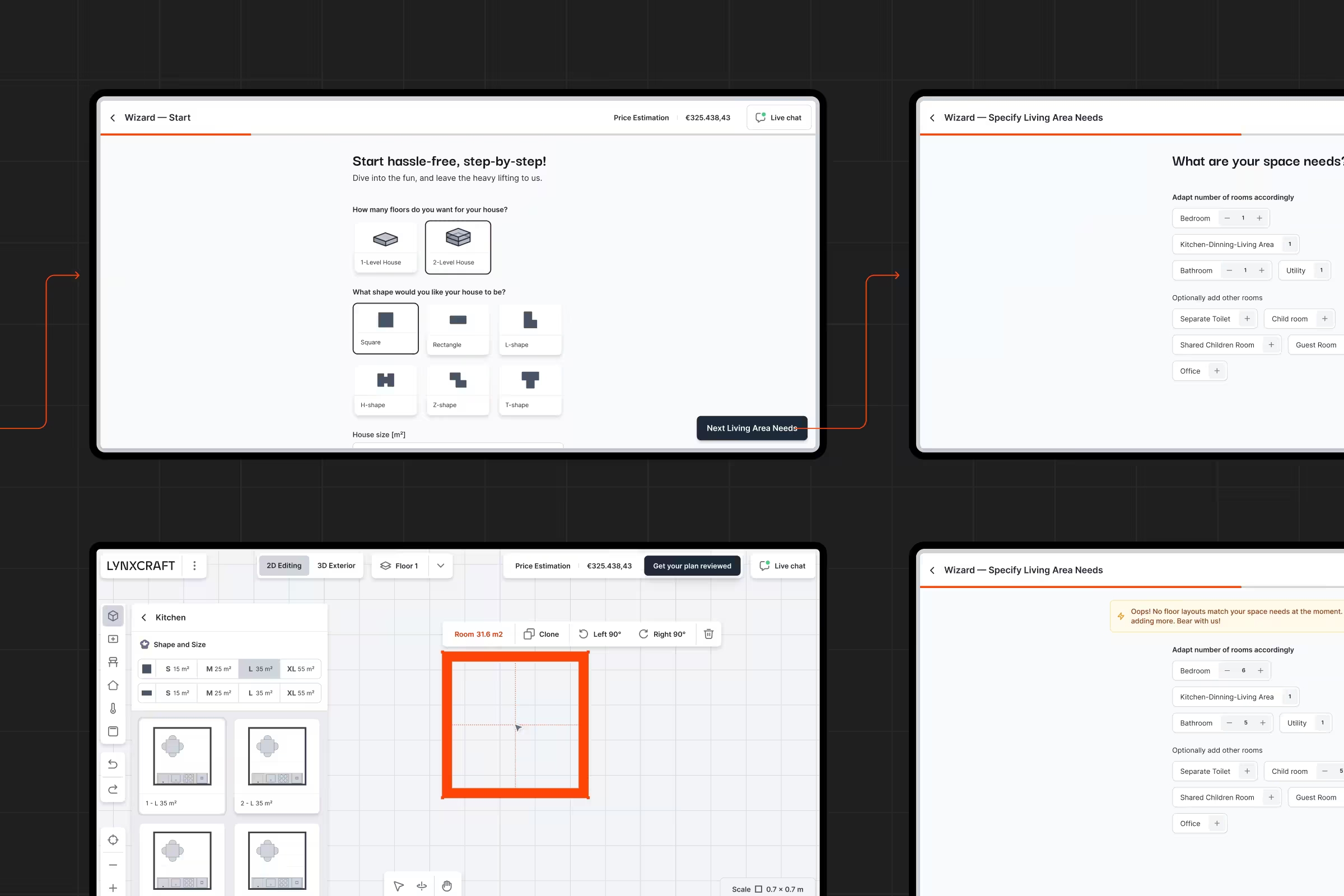
A digital building designer from floor plan to 3D
We built a web-based platform that brings home configuration, visualization, and building information into one guided experience.
- /Flexible floor-plan design — Users can configure house layouts by selecting room sizes and shapes, creating personalized floor plans around their requirements.
- /Interactive 3D visualization — Designs can be explored as interactive 3D models, making it easier to understand the resulting home before construction begins.
- /Building-system configuration — Users can choose between options such as heating, air conditioning, grid electricity, and photovoltaics as part of the design process.
- /Cost and sustainability insight — The wider platform combines design with real-time information around cost and energy, helping users make better-informed building decisions.
Together, these features turned a technically complex design process into a more accessible digital product, supporting more than 1,000 possible configurations while aiming to reduce building costs and accelerate construction.
Numbers that moved.
“We appreciated their versatility, broad knowledge, and culture fit.”
— Marko Hozjan, CEO - Lynxcraft
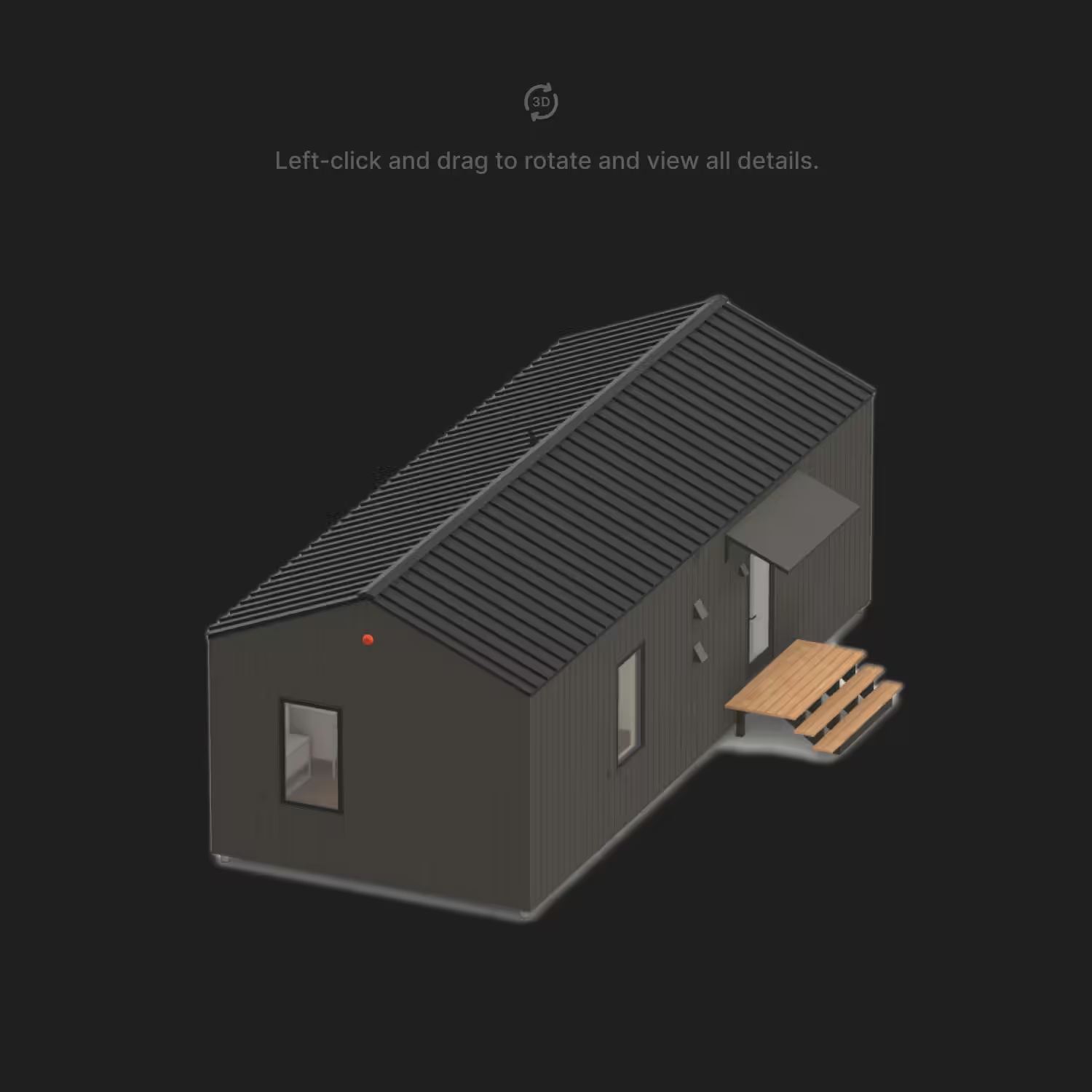
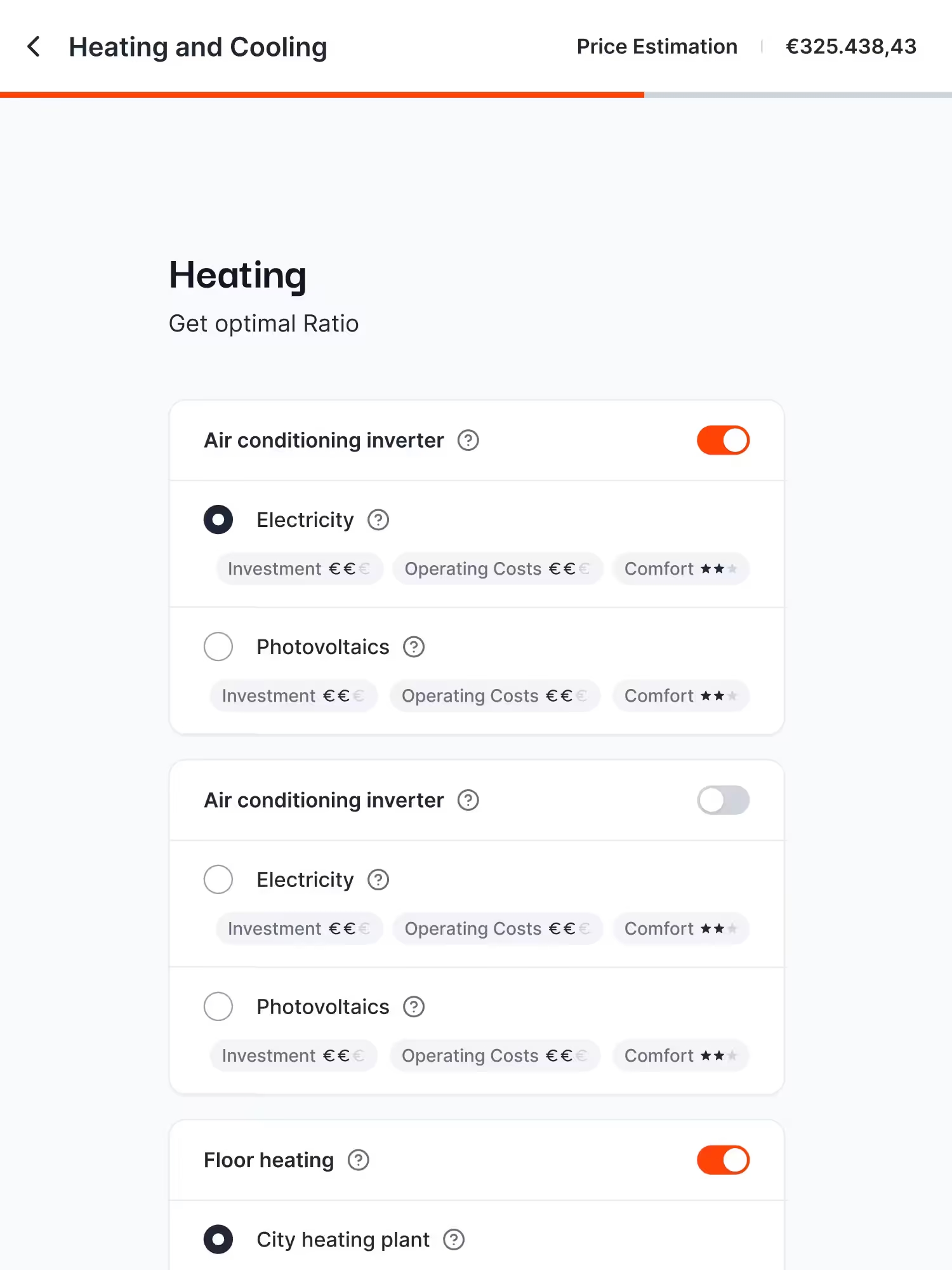
// Users can access a 3D model viewing feature, which offers an interactive virtual representation of their custom design. Various types of heating systems, air conditioning units, and electricity sources, such as grid power or photovoltaics, are available for users to choose based on their preferences.
The hard parts
The technology behind the building designer
Vue.js powered the product interface, while Three.js enabled the interactive 3D home visualization. Laravel provided the backend foundation, AWS supported the cloud infrastructure, and Keycloak handled secure access. Intercom and Calendly were integrated to support communication and user engagement.
the full stack we build in
Common questions
How did higroup begin with the LynxCraft project?+
We started with a discovery phase to define the goals and validate the concept. Workshops and prototyping helped shape the platform before engineering began.
What made the LynxCraft platform unique?+
It combines 2D and 3D home design with cost, energy, and building information in one product, using patented technology to simplify a traditionally expert-led process.
How long did it take to deliver the MVP?+
The MVP was developed and launched iteratively over several months, allowing the team to incorporate stakeholder feedback and real-world testing throughout development.
What technologies were used?+
The platform uses Laravel, Vue.js, Three.js, AWS, and Keycloak, alongside integrations such as Intercom and Calendly.
Which services did higroup provide?+
We supported LynxCraft across discovery, UX/UI design, product engineering, QA, deployment, and ongoing product support.
What results did the platform achieve?+
The platform supports more than 1,000 unique configurations, with the published case study reporting a 25% reduction in building costs and a 5× increase in construction speed.